Global trade between China and the United States remains one of the most vital commercial corridors in the world. Businesses across industries from e-commerce startups to multinational corporations rely heavily on efficient transportation networks to move goods across continents. However, navigating international shipping is far from straightforward. From customs regulations to fluctuating freight costs, companies often encounter obstacles that can disrupt operations and impact profitability.
This is where reliable China to US logistics solutions become indispensable. Understanding the challenges involved and knowing how to overcome them can help businesses streamline operations, reduce costs, and maintain a competitive edge. In this guide, we explore the most pressing challenges in China to US logistics and provide practical strategies to address them effectively.
1. High Shipping Costs and Freight Rate Volatility
The Challenge
One of the most significant hurdles in international trade is the fluctuating cost of transportation. Freight rates for air and ocean shipping can change dramatically due to fuel prices, demand surges, global crises, and seasonal trends. Peak periods, such as the holiday season and Chinese New Year, often lead to substantial price increases.
For businesses operating on tight margins, unpredictable shipping costs can disrupt budgets and reduce profitability.
How to Overcome It
To manage expenses effectively, companies should:
- Plan shipments in advance to avoid peak-season surcharges.
- Consolidate cargo through Less-than-Container Load (LCL) shipping.
- Choose the right shipping mode, balancing cost and urgency.
- Negotiate long-term contracts with logistics providers for stable pricing.
- Partner with experienced freight forwarders offering optimized China to US logistics solutions.
By implementing these strategies, businesses can maintain cost efficiency while ensuring reliable deliveries.
2. Customs Clearance and Regulatory Compliance
The Challenge
Customs procedures in both China and the United States are complex and constantly evolving. Importers must comply with strict regulations, tariffs, and documentation requirements. Any errors or omissions can result in delays, fines, or shipment seizures.
Common compliance issues include:
- Incorrect product classification (HS codes)
- Inaccurate documentation
- Missing import licenses
- Non-compliance with U.S. safety and labeling standards
How to Overcome It
Efficient customs clearance is essential for seamless trade. Businesses can minimize risks by:
- Working with licensed customs brokers.
- Ensuring accurate documentation, including commercial invoices and packing lists.
- Understanding tariffs and duties before shipping.
- Adhering to U.S. import regulations, such as FDA and FCC standards.
- Utilizing expert China to US logistics solutions for compliance support.
Proactive compliance reduces delays and ensures smooth cross-border transactions.
3. Shipping Delays and Supply Chain Disruptions
The Challenge
Global supply chains are vulnerable to unexpected disruptions. Port congestion, labor shortages, geopolitical tensions, pandemics, and natural disasters can delay shipments and disrupt business operations. You can visit our complete guide on Logistics from China to US.
These delays can lead to:
- Inventory shortages
- Increased storage costs
- Customer dissatisfaction
- Revenue losses
How to Overcome It
To mitigate risks, businesses should:
- Diversify shipping routes and carriers.
- Build buffer inventory to absorb delays.
- Use real-time shipment tracking technologies.
- Develop contingency plans for emergencies.
- Partner with reliable logistics providers offering resilient China to US logistics solutions.
A proactive approach for logistics from China to the USA ensures business continuity even during unforeseen disruptions.
4. Port Congestion and Infrastructure Bottlenecks
The Challenge
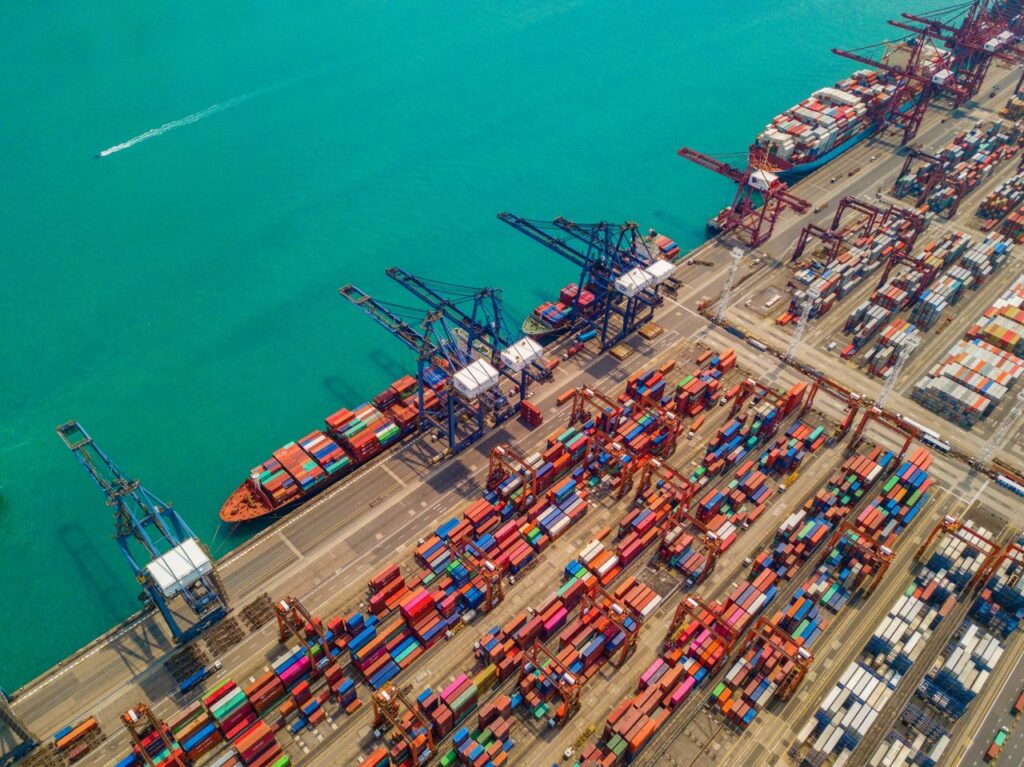
Major U.S. ports such as Los Angeles and Long Beach frequently experience congestion, leading to extended unloading times and increased demurrage fees. Similarly, high-traffic ports in China can contribute to delays.
How to Overcome It
Businesses can navigate congestion effectively by:
- Choosing alternative ports, such as Oakland, Seattle, Houston, or Savannah.
- Utilizing intermodal transportation, including rail and trucking.
- Booking shipments early to secure capacity.
- Leveraging data analytics to anticipate bottlenecks.
- Working with logistics partners specializing in China to US logistics solutions.
Strategic planning helps ensure timely deliveries and minimizes additional costs.
5. Complex Documentation Requirements
The Challenge
International shipping involves extensive paperwork. Missing or inaccurate documentation can cause customs delays and financial penalties.
Essential documents include:
- Bill of Lading
- Commercial Invoice
- Packing List
- Certificate of Origin
- Importer Security Filing (ISF)
- Customs Bond
How to Overcome It
To streamline documentation:
- Digitize shipping paperwork for accuracy and efficiency.
- Use automated logistics management systems.
- Verify documentation before shipment dispatch.
- Collaborate with experienced freight forwarders.
- Adopt integrated China to US logistics solutions for document handling.
Automation significantly reduces errors and speeds up the clearance process.
6. Choosing the Right Shipping Mode
The Challenge
Selecting the appropriate shipping method, i.e., sea freight, air freight, rail, or express courier. This can be confusing. Each option offers unique advantages and trade-offs in cost, speed, and reliability.
| Shipping Method | Transit Time | Cost | Best For |
|---|---|---|---|
| Sea Freight | 20–40 days | Low | Bulk shipments |
| Air Freight | 3–7 days | High | Urgent deliveries |
| Express Shipping | 2–5 days | Very High | Small, time-sensitive packages |
| Rail-Sea Multimodal | 15–25 days | Moderate | Balanced solutions |
How to Overcome It
Businesses should:
- Assess shipment urgency and budget.
- Choose multimodal transportation for flexibility.
- Consult logistics experts for tailored recommendations.
- Leverage data-driven China to US logistics solutions.
Selecting the right mode ensures optimal efficiency and cost savings.
7. Lack of Supply Chain Visibility
The Challenge
Limited transparency in shipping operations can create uncertainty. Without real-time updates, businesses may struggle to track shipments, manage inventory, and respond to disruptions.
How to Overcome It
Enhancing visibility is essential for modern logistics. Companies can:
- Adopt real-time tracking systems.
- Implement cloud-based logistics platforms.
- Use AI and predictive analytics.
- Integrate supply chain management software.
- Partner with technology-driven China to US logistics solutions providers.
Improved visibility leads to better decision-making and enhanced customer satisfaction.
8. Language and Cultural Barriers
The Challenge
Communication gaps between Chinese manufacturers and U.S. importers can lead to misunderstandings, delays, and errors.
How to Overcome It
Businesses can bridge these gaps by:
- Working with bilingual logistics partners.
- Establishing clear contracts and expectations.
- Using digital collaboration tools.
- Hiring sourcing agents in China.
Effective communication strengthens international partnerships and ensures smoother operations.
9. Sustainability and Environmental Concerns
The Challenge
With increasing environmental awareness, businesses face pressure to adopt sustainable shipping practices. Carbon emissions and environmental regulations are becoming key considerations in logistics.
How to Overcome It
To meet sustainability goals, companies should:
- Opt for sea freight over air freight when feasible.
- Consolidate shipments to reduce emissions.
- Partner with eco-conscious logistics providers.
- Use energy-efficient packaging.
- Implement green China to US logistics solutions.
Sustainable practices not only benefit the environment but also enhance brand reputation.
Why Reliable China to US Logistics Solutions Matter
Choosing the right logistics partner can make a significant difference in overcoming these challenges. Professional providers offer:
- End-to-end supply chain management
- Competitive freight rates
- Customs clearance expertise
- Real-time tracking and analytics
- Secure warehousing and distribution
- Tailored shipping strategies
By leveraging reliable China to US logistics solutions, businesses can reduce risks, improve efficiency, and scale their global operations seamlessly.
Conclusion
Shipping goods across continents is a complex yet rewarding endeavor. While challenges such as high costs, customs regulations, delays, and supply chain disruptions are inevitable, they can be effectively managed with the right strategies and expertise.
By adopting advanced technologies, ensuring regulatory compliance, and partnering with trusted logistics providers, businesses can overcome these obstacles and thrive in international trade. Investing in efficient China to US logistics solutions not only ensures smooth operations but also strengthens long-term growth and competitiveness in the global marketplace.
FAQs
1. What are China to US logistics solutions?
They are comprehensive services that facilitate the transportation of goods from China to the United States, including freight forwarding, customs clearance, warehousing, and last-mile delivery.
2. How long does shipping from China to the USA take?
Transit times vary:
- Sea freight: 20–40 days
- Air freight: 3–7 days
- Express shipping: 2–5 days
3. What is the most cost-effective shipping method?
Sea freight is typically the most economical option for large or bulk shipments.
4. How can businesses reduce shipping costs from China to the USA?
They can consolidate shipments, plan ahead, negotiate contracts, and work with experienced logistics providers.
5. Why is customs clearance important in international shipping?
Proper customs clearance ensures compliance with regulations, prevents delays, and avoids penalties.